
Automotive
Every part needs a footprint. Answer in days, not months.
Vehicle makers now ask suppliers for the emissions of each component they buy. Sprih turns the energy, material and process data your plants already keep into a product-level figure per part, shared in the template each customer asks for.
Emissions per component Last 12 months
Needs your attention
What Sprih does for automotive suppliers
Four jobs. One dataset underneath all of them.
Customer requests, plant costs, supplier inputs and targets all run on the same production records. Collect them once, and every job draws on them.
Cut operating cost
The problem in automotive
Paint shops, presses, furnaces and compressed air run long hours, and the gaps between plants making the same part go unseen.
With Sprih
Energy per part benchmarked across plants and lines, idle running flagged as data lands, and every saving sized in cost and carbon.
De-risk the supply chain
The problem in automotive
Steel, aluminium and bought-in parts make up most of a component’s footprint, and spend-based averages misstate it.
With Sprih
Supplier-specific factors for your biggest inputs, supplier data read in any format, and a view of which suppliers to engage first.
Report with confidence
The problem in automotive
Each vehicle maker asks for component emissions in its own template, method and timeline. Plant totals don’t answer them.
With Sprih
Emissions allocated to each component, product intensity per unit made, and answers shared from the platform in each customer’s format.
Decarbonize with a plan
The problem in automotive
Efficiency and solar projects are under way at several plants, but without one record the progress can’t be shown to customers.
With Sprih
Projects logged against the plants they affect, so every improvement shows up in the figures customers receive.
How it works in Sprih
One production record. Every customer answered.
From plant activity to emissions per component.
A large automotive component maker with European customers now tracks emissions at production level and sends product intensity on request. Each request takes 3 days instead of 30+, reporting cost is down 60%, and the 35% of revenue that depends on this data is protected.
04
Share with customers
In the template each customer asks for
03
Record the progress
Projects logged against each plant
02
Calculate intensity
Emissions allocated to each component
01
Track at production
Energy, materials and process data per line
Core
Your production data
Records plants already keep, nothing new
Foundation
Select a step to explore it
Results
Proof, not promises. Real outcomes from teams running on Sprih.

Biotech
2.5×
Companies
Platform value grew in just two years.
Year 0
Year 2
2.5× value
Read the story
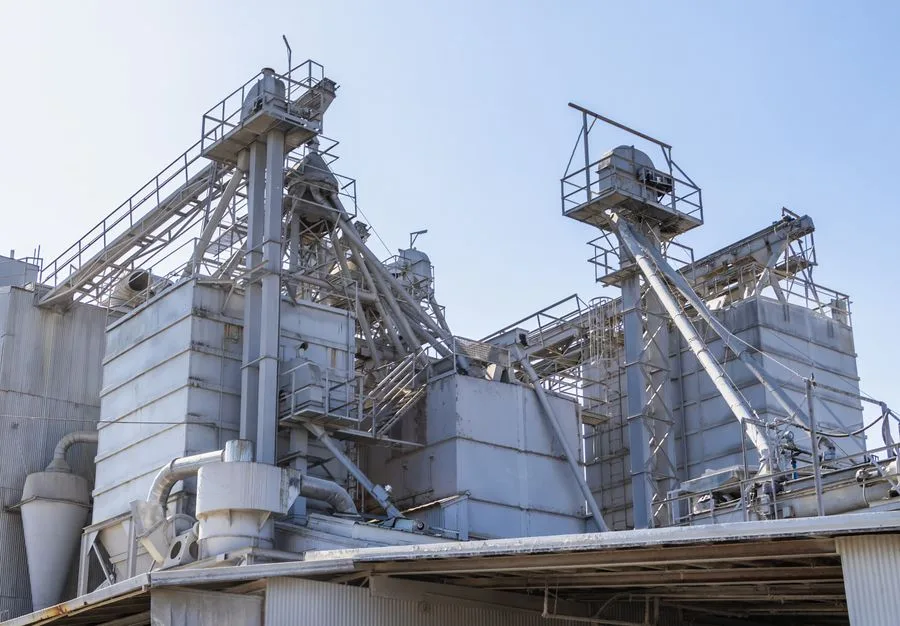

Building materials
70%
Companies
Less time spent on sustainability reporting.


Chemicals
6.21%
Companies
Lower manufacturing emissions intensity.
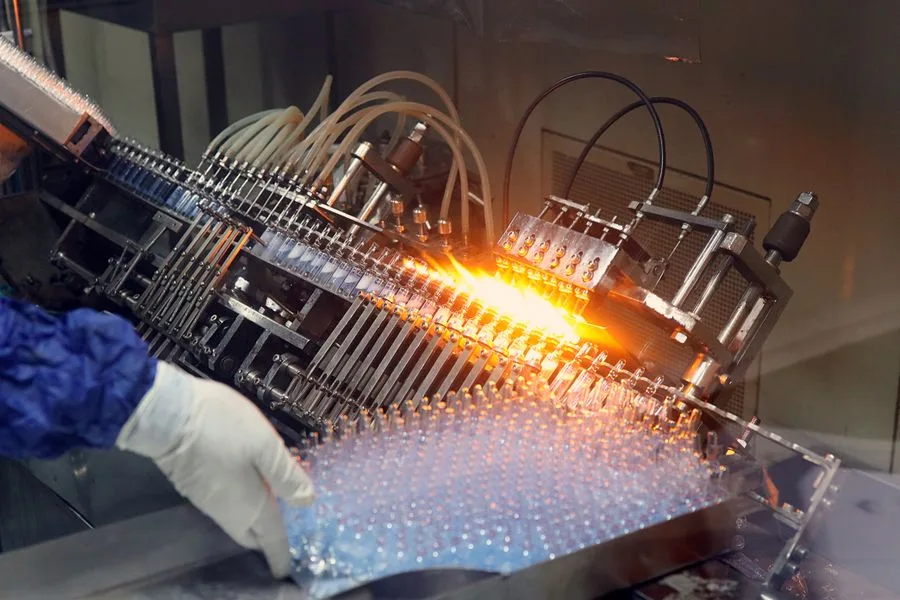

Pharma manufacturing
−14%
Companies
Absolute emissions cut, with SBTi approval.
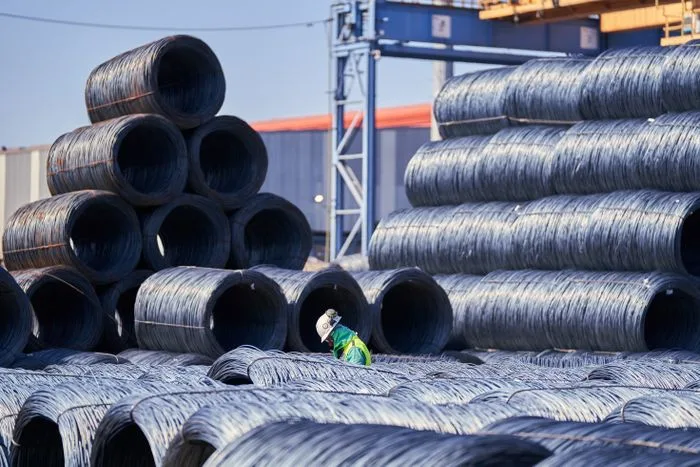
Name withheld
Metals
$1M+
Saved by an aluminum producer running 20,000+ custom factors.
Regulations that apply
The rules behind your customers’ requests. One dataset behind all of them.
EU · Disclosure
CSRD
EU vehicle makers report value-chain emissions under the ESRS, and ask suppliers for the data.
Read the CSRD guide
EU · Exports
CBAM
Steel and aluminium inputs shipped into the EU carry embedded emissions that customers ask you to prove.
Read the CBAM guide
India · Listed
BRSR
SEBI's sustainability report for listed Indian companies, with BRSR Core assurance.
Read the BRSR guide
US · California
SB 253 & SB 261
Scope 1, 2 and 3 emissions and climate-risk reports for large companies doing business in California.
Read the SB 253 guide
Not sure which rules apply to your plants and customers?
Frequently
Asked Questions
Can Sprih calculate emissions for a single component?
Yes. Energy, materials and process data are recorded per production line, and emissions are allocated to each component to give a product-level intensity per unit made. The method is set up once and runs every period.
Do our plants need to collect new data?
No. Sprih works from the records plants already keep, such as energy bills, meter readings, material use and production volumes. Nothing new is asked of the shop floor.
Can we answer each customer in its own template?
Yes. Product intensity is shared from the platform in the template and method each customer asks for. One component maker cut the time per customer request from more than 30 days to 3.
How do we show customers the progress we have made?
Efficiency and renewable energy projects are logged against the plants they affect, so the improvements show up in the figures customers receive rather than staying in plant spreadsheets.
Can we use supplier data for steel and aluminium?
Yes. Suppliers can send data in any format, and Sprih maps it into one structure. Where a supplier hasn't sent anything, Sprih's climate database of 150,000+ company profiles gives you a starting point.
Which frameworks does Sprih support?
One governed dataset feeds the GHG Protocol (Scope 1, 2 and 3), CSRD and ESRS, CBAM, BRSR and BRSR Core, California SB 253, CDP, GRI, TCFD and SBTi target setting, along with the formats your customers ask for.
Other industries
Sprih across industries. The same platform, shaped to each one.
Metals & mining
Cost, CBAM and carbon in one record
Industrial manufacturing
Many plants, one dataset
Chemicals & coatings
Lower emissions per unit
Consumer goods
Energy, water and waste
Life sciences
Audit-ready, any language
Financial services
Thousands of locations
Logistics
Emissions per shipment
Aviation
Supplier risk, mapped
All solutions
By industry and by regulation

That’s automotive
GET STARTED
Answer every customer request from one production record.