
Anomaly detection
Catch leaks before year-end.
The meter readings and invoices you collect for reporting also show what went wrong. Sprih flags spikes, slow drift and billing errors as the data arrives, with the cost and tCO₂e at stake.
How it works
Every bill and reading, checked as it lands. Not when the year closes.
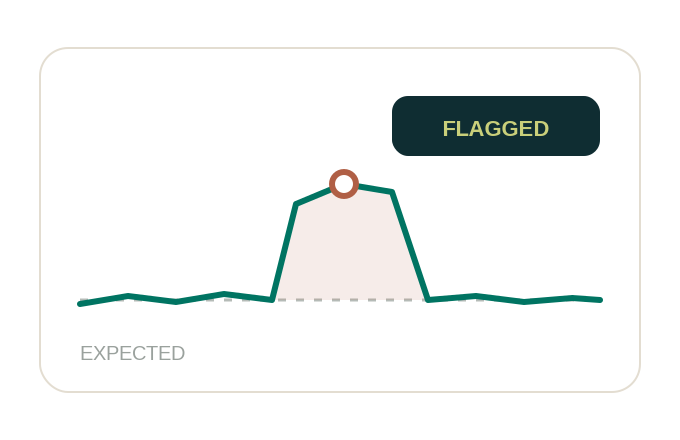
Sudden spikes
A spike is flagged the day it shows up. Sprih learns what normal looks like for each site, meter and shift.
Slow drift
Small rises that add up. A baseline creeping up for months is caught well before year-end.
Data error or real problem
Each flag is checked before it reaches you. Bad readings get fixed. Real problems go to the site that owns them.
Billing errors
Invoices that don't match the meter. Duplicate charges, wrong tariffs and over-weighed loads, found and recovered.
Customer stories
Start with the outcome. Read how we got there.
Aluminum · Large
Energy losses, found in data already collected for reporting. Then fixed, site by site.
$1M+
Saved
by an aluminum producer
FAQ
Frequently asked questions
What data does anomaly detection watch?
The electricity, fuel, water, waste and freight data already in Sprih for your BRSR, CSRD and CDP reports. That means utility bills, meter readings, fuel logs, waste manifests and freight invoices. There is nothing new to collect.
How does Sprih know what normal looks like?
It learns a baseline for each site and meter from past data. The baseline is adjusted for output, weather, shifts and season, so a busy month is not flagged as a leak.
How does it tell a data error from a real problem?
Each flag is checked against other sources: the bill against the meter, the reading against past values, units and meter IDs against the record. Data errors are corrected before they reach your report. Real problems go to the site that owns them.
What does each flag tell us?
The site, the stream, when it started, the likely cause and who owns it. It also shows the cost and tCO₂e at stake, so you can fix the biggest ones first.
Do we need new meters or sensors?
No. Sprih starts from the bills and readings you already collect. Where you have interval meters, such as 15-minute electricity data, flags come sooner and are more precise.
How does this connect to our reports?
Corrected data flows straight into your disclosures. Fixes made after a flag are tracked in Savings and impact, so the money saved and the emissions avoided show up in your next BRSR, CSRD or CDP report.


That’s anomaly detection
GET STARTED
Stop finding out at year-end.