
Metals & mining
Every alloy, supplier and tonne. One record for cost and CBAM.
Metals run on energy, scrap and the power behind your suppliers. Sprih turns plant, purchase and supplier data into one record: energy cost per tonne, emissions by alloy and supplier, and CBAM embedded emissions ready for verification.
Cost and emissions per tonne Last 12 months
Needs your attention
What Sprih does for metals
Four jobs. One dataset underneath all of them.
Cost, supply chain risk, reporting and decarbonization all run on the same plant, purchase and supplier records. Collect them once, and every job draws on them.
Cut operating cost
The problem in metals
Energy is the biggest cost you control in smelting, melting, casting and rolling. Small gaps between plants add up to millions.
With Sprih
Energy per tonne benchmarked across plants and lines, furnaces flagged when they fire on idle shifts, and bills checked for tariff errors.
De-risk the supply chain
The problem in metals
The same ingot from two smelters carries two very different footprints, and one supplier often feeds several plants.
With Sprih
Factors that follow the supplier and the composition, supplier declarations read in any format, and single-source exposure flagged by plant.
Report with confidence
The problem in metals
CBAM prices embedded emissions, and default values are set high on purpose. Buyers want a footprint per grade, per order.
With Sprih
CBAM embedded emissions and carbon accounts from the same raw data, with every figure traced to its delivery and the factor applied.
Decarbonize with a plan
The problem in metals
Targets are set, but scrap share, power sourcing and fuel switching each move cost and carbon differently.
With Sprih
Every lever modelled against cost and margin, a pathway phased year by year, and progress tracked plant by plant.
How it works in Sprih
One factor library. Two jobs.
Carbon accounts and CBAM, from the same raw data.
A global aluminium producer runs more than 20,000 custom emission factors in Sprih, each tagged by composition and supplier. The right one is applied to every delivery, and the same records feed CBAM: $1M+ saved and 90% less time managing factors.
04
Keep the trail
Every figure shows its source and factor
03
Reuse it for CBAM
Embedded emissions from the same records
02
Apply it automatically
Right factor for each supplier and alloy
01
Build the factor library
20,000+ factors, each with its source
Core
Your plant and purchase data
Bills, ERP exports and supplier declarations
Foundation
Select a step to explore it
Results
Proof, not promises. Real outcomes from teams running on Sprih.

Biotech
2.5×
Companies
Platform value grew in just two years.
Year 0
Year 2
2.5× value
Read the story
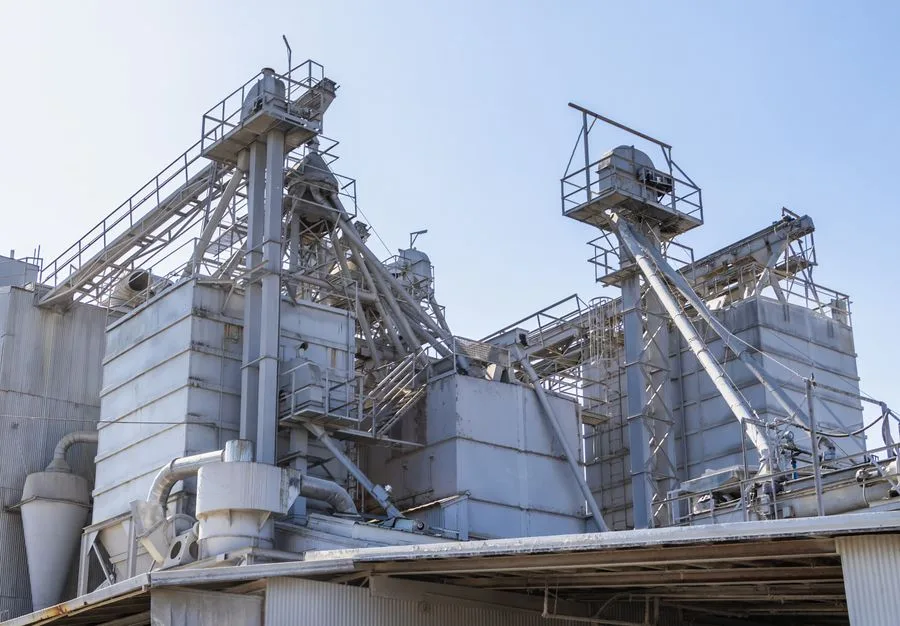

Building materials
70%
Companies
Less time spent on sustainability reporting.


Chemicals
6.21%
Companies
Lower manufacturing emissions intensity.
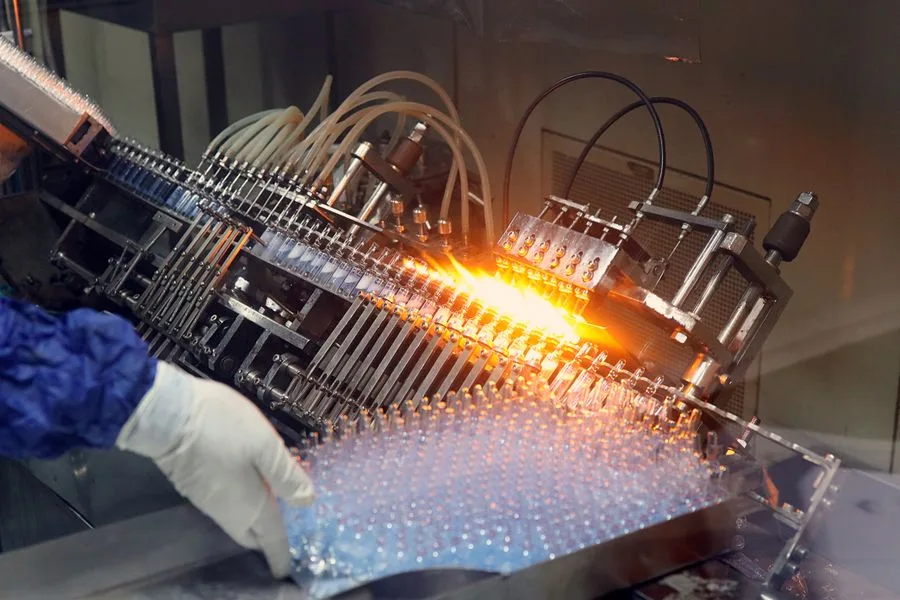

Pharma manufacturing
−14%
Companies
Absolute emissions cut, with SBTi approval.
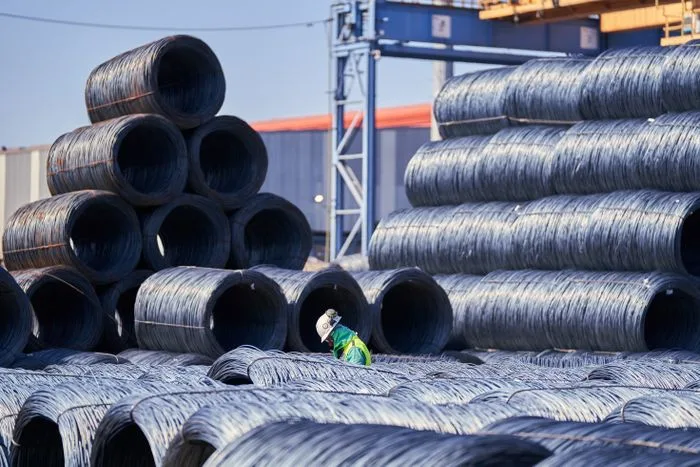
Name withheld
Metals
$1M+
Saved by an aluminum producer running 20,000+ custom factors.
Regulations that apply
The rules metals companies report against. One dataset behind all of them.
EU · Exports
CBAM
Embedded emissions for iron, steel and aluminium shipped into the EU.
Read the CBAM guide
EU · Disclosure
CSRD
Sustainability statements to the ESRS for companies with EU operations or revenue.
Read the CSRD guide
US · California
SB 253 & SB 261
Scope 1, 2 and 3 emissions and climate-risk reports for large companies doing business in California.
Read the SB 253 guide
India · Listed
BRSR
SEBI's sustainability report for listed companies, with BRSR Core assurance.
Read the BRSR guide
Not sure which rules apply to your plants and markets?
Frequently
Asked Questions
Can Sprih handle emission factors that change by alloy and by supplier?
Yes. Sprih keeps a library of custom emission factors, each tagged by material composition and supplier, and applies the right one automatically when a delivery is recorded. One aluminium producer runs more than 20,000 custom factors this way, with no manual lookups.
How does Sprih help with CBAM?
Sprih calculates embedded emissions for goods shipped to the EU from the same raw data and factors you use for your carbon accounts, so there is no second dataset to maintain and nothing to reconcile. Every figure traces back to the delivery and the factor applied, which is what verifiers check. Sprih's CBAM service can support the filing itself.
Can we use our suppliers' actual data instead of default values?
Yes. Suppliers can send declarations and data in whatever format they have, and Sprih maps them into one structure. Where a supplier hasn't sent anything yet, Sprih's climate database of 150,000+ company profiles gives you a starting point, so you know which suppliers to ask first.
How do we compare energy performance across plants?
Sprih benchmarks energy per unit of output across plants and lines on the same terms, and flags anomalies, such as a furnace firing while a line is idle, as soon as the data arrives. Each fix is sized in cost and carbon before you act.
Will auditors and CBAM verifiers accept the numbers?
Sprih is built for assurance. Every figure shows its source document, the factor applied and who approved it, with maker–checker approval and data locks before sign-off. Auditors can follow the trail themselves.
Which frameworks does Sprih support?
One governed dataset feeds the GHG Protocol (Scope 1, 2 and 3), CBAM, CSRD and ESRS, BRSR and BRSR Core, California SB 253, CDP, GRI, TCFD and SBTi target setting, along with other formats your customers ask for.
Other industries
Sprih across industries. The same platform, shaped to each one.
Automotive
Component emissions on request
Industrial manufacturing
Many plants, one dataset
Chemicals & coatings
Lower emissions per unit
Consumer goods
Energy, water and waste
Life sciences
Audit-ready, any language
Financial services
Thousands of locations
Logistics
Emissions per shipment
Aviation
Supplier risk, mapped
All solutions
By industry and by regulation

That’s metals & mining
GET STARTED
See your plants, suppliers and CBAM in one record.