
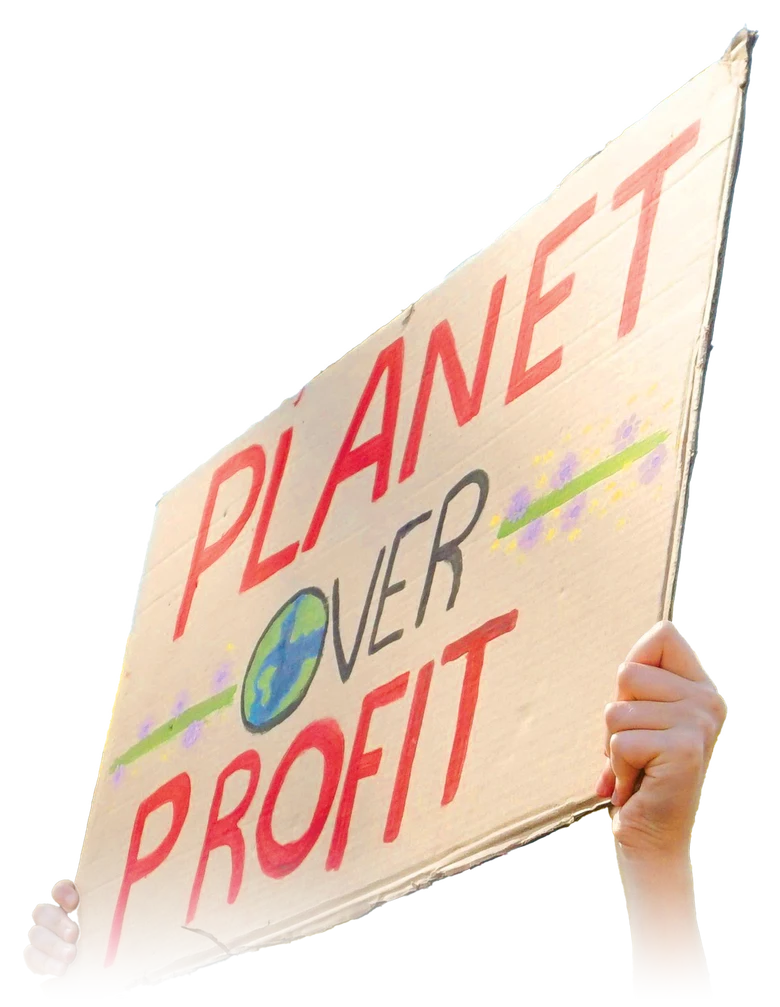
Premium brands have always operated where emotion meets economics. But the cost structures, risk profiles, and value drivers of the sector are shifting. Sustainability is no longer framed as a moral undertaking — it now shapes operational efficiency, supply-chain resilience, and cultural relevance, the three forces that determine whether a premium brand keeps its margin, its customer, and its talent.
The question isn’t whether sustainability is expensive. The question is whether avoiding it is even an option.
01
Does sustainability maturity correlate with growth and profitability?
SustainSense’s insights suggest yes — but not in simplistic, linear ways. Sustainability maturity often correlates with lower volatility, higher-margin stability, and stronger loyalty intent. What this really indicates is that sustainability reflects management quality: brands that measure deeply also manage deeply.
From the SustainSense dataset:
- Brands with higher disclosure depth (full Scope 1–3 + material sourcing detail) tend to show more stable revenue growth in periods of market softness.
- Companies with sustained circularity or supplier-traceability initiatives exhibit lower cost spikes tied to commodity volatility.
- Premium brands with published transition plans or science-based targets consistently show higher employee retention and higher investor confidence signals (based on earnings-call language sentiment and analyst commentary).

Profitability isn’t derived from sustainability labels; it comes from the operational discipline required to deliver sustainability credibly. The early evidence suggests a clear alignment between doing good and doing well.
Brands that have invested in renewable energy, sustainable materials, and circular business models are beginning to see cost advantages that scale. Reduced material waste, optimized logistics, and higher asset utilization are improving margins.
Even in softer metrics, employee retention, supplier reliability, customer advocacy, sustainability leaders are outperforming. Importantly, part of this performance advantage flows through trust. Transparency around sourcing, emissions, materials, and product impact builds consumer confidence, which in turn drives repeat purchase, advocacy, and pricing resilience. Sustainability disclosure is not economically neutral; it actively shapes loyalty and long-term revenue quality.
The short-term costs of sustainability are visible; the long-term dividends are not always quantified but are deeply felt, in trust, reputation, and risk reduction.
When a brand designs with longevity in mind, it sells not just a product but peace of mind, for the consumer, the investor, and the planet.
02
Efficiency levers: energy, waste, water, circularity
Behind every sustainability metric lies a cost lever. Premium brands that treat these as operational tools, and not reporting obligations, are already seeing the benefits.
- Energy efficiency reduces exposure to fluctuating utility costs and improves margin resilience.
- Waste reduction (especially in leather, metals, packaging, and beauty ingredients) creates direct cost savings and improves yield.
- Water stewardship matters deeply in dyeing, tannery processes, and beauty formulations; reductions can materially lower operational risk in key manufacturing regions.
- Circularity — resale integration, repair programs, recycled materials, and longer-life design — reduces material input costs and extends lifetime revenue potential.
In premium packaged goods, particularly beauty and personal care, formulation and packaging choices have become first-order economic decisions. Material selection, print intensity, ink usage, refill-ready formats, minimalist packaging, and solid or water-free formulations directly affect material costs, logistics, and Scope 3 emissions. Because premium brands influence packaging norms across suppliers, these decisions also cascade efficiency gains through the wider value chain.
In premium categories, efficiency is not just environmental. It’s strategic — a way to protect creativity, craft, and quality from supply shocks.
03
Brand value and social capital
Brand value in premium sectors is mostly intangible. That’s what makes sustainability economically material.
Cultural relevance: Younger consumers expect brands to reflect their worldview. If sustainability signals values, then responsible brands gain cultural stickiness — the kind that survives market cycles.
Trust as a premium asset: Trust determines whether a brand can raise prices, launch new categories, or expand geographies without reputational friction. Transparency about sourcing, emissions, materials, and labor, has become a direct contributor to pricing power.
Talent and investor attraction: Purpose-driven designers, artisans, supply-chain leaders, and data specialists gravitate toward companies that demonstrate long-term thinking. Similarly, even in a Sustainability-skeptical cycle, investors still reward clarity, governance, and long-term risk planning. Sustainability disclosures have become a proxy for managerial credibility.

Sustainability, in other words, is becoming the modern form of social capital: slow to build, easy to lose, powerful when compounded.
04
Addressing the “Is sustainability dead?”
The claim that “Sustainability is dead” has gained traction in public discourse, yet most of this narrative reflects short-term political and market sentiment rather than structural shifts in how sustainability affects economic performance. For premium brands, which rely heavily on intangible value, long-term consumer trust, and supply-chain resilience, this distinction is critical.
Why the apparent retreat emerged
The recent pullback in sustainability-labeled funds, combined with political scrutiny in specific markets, has contributed to the perception of an industry-wide retreat. Much of this movement, however, stems from inconsistent definitions, uneven disclosure standards, and a recalibration of investment products — not from evidence that climate or social factors have become less material to financial outcomes.
What the underlying data indicates
Across the SustainSense dataset and wider financial research, several structural patterns remain clear:
- Climate regulation is increasing, not decreasing.
- Scope 3 expectations are rising globally.
- Supplier transparency demands are accelerating across categories.
- Disclosure quality correlates with stronger governance and higher investor confidence.
- Companies with better sustainability metrics experience fewer supply-chain shocks and lower long-term risk exposure.
Case evidence from leaders
Brands with long-standing commitments to traceability, regenerative materials, verified emissions disclosures, and circular business models are outperforming peers on:
- supply-chain resilience
- margin stability during volatility
- talent attraction
- cultural influence
- consumer loyalty
These advantages don’t disappear because the sustainability narrative is unfashionable for a year or two.
Key insight
No dataset — including ours — shows that sustainability is economically irrelevant. If anything, the data points in the opposite direction.
The simple truth
Sustainability as a label may fade. Sustainability as an economic requirement will not. The companies that use this sentiment dip to strengthen their data, systems, and supply-chain visibility will come out ahead when the cycle inevitably turns.
Takeaway
For premium brands, sustainability is no longer a side project. It is directly tied to efficiency, resilience, relevance, and valuation. The brands that understand this aren’t chasing a trend — they are building the foundations of long-term competitive advantage.